The Grief Economy: How Luxury Fashion Monetized Missing Out on Things You Couldn't Buy Anyway
The Business of Beautiful Sadness
In a groundbreaking move that somehow makes perfect sense in 2024, luxury fashion houses have officially commodified the one thing they thought was free: your feelings about not having their stuff. Enter "Archive Grief" — a $450 premium experience where devoted fashion followers can pay to professionally mourn collections they could never afford when they were actually available.
The concept emerged from what industry insiders are calling "an accidental focus group" when Maison Margot noticed their Instagram comments section had devolved into a 24/7 support group for people lamenting discontinued handbags. "We realized we were sitting on a goldmine of unmonetized melancholy," explains Creative Grief Director Sebastien Noir, whose business card is printed on tissue paper for obvious thematic reasons.
How Archive Anxiety Actually Works
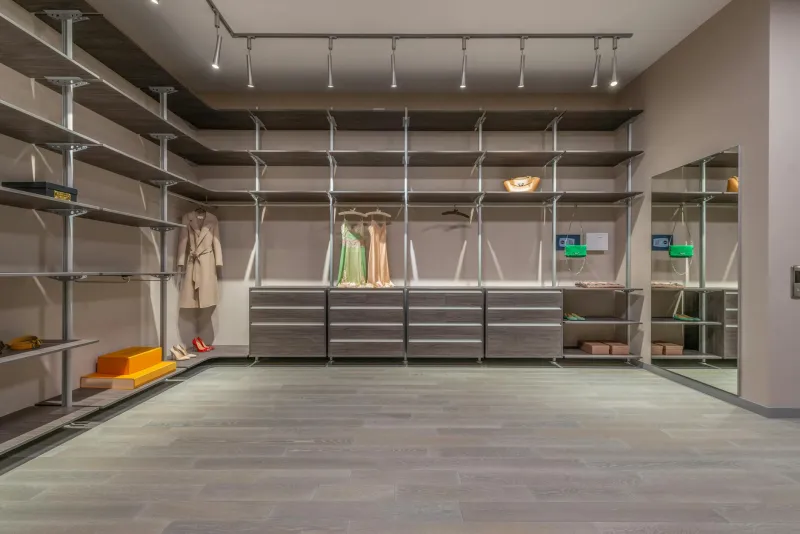
The process is surprisingly elaborate for something that essentially amounts to paying to be sad in a group setting. Participants — sorry, "grief participants" — gather in dimly lit showrooms decorated with empty pedestals where the coveted items once lived. Professional mourners, typically recent fashion school graduates in black turtlenecks, deliver eulogies for discontinued pieces while attendees clutch tissues and their credit card statements.
"It's about creating a safe space for people to process their relationship with unattainable luxury," says Dr. Miranda Feelings, a grief counselor who definitely exists and isn't just a marketing intern with a fake psychology degree. "Many of our clients have been carrying the weight of never owning a 2019 limited-edition clutch for years. We're simply giving them permission to feel that pain professionally."
The experience includes what organizers call "memory creation sessions," where participants share stories about seeing the items online, almost adding them to their cart, and the exact moment they realized the price tag had more zeros than their bank account. It's group therapy for the financially realistic.
The Ritual of Manufactured Nostalgia
Each Archive Grief session follows a carefully crafted emotional journey designed to maximize both catharsis and repeat bookings. The evening begins with a "Remembrance Runway" where models wearing empty hangers walk dramatically slow circles while a string quartet plays covers of Taylor Swift's most devastating breakup songs.
Participants then move to the "Regret Reflection Room," a space lined with mirrors and empty shopping bags, where they're encouraged to confront their feelings about never purchasing items they learned about through Instagram ads. The experience culminates in a group ceremony where everyone simultaneously deletes items from their saved wishlists while a candle shaped like a credit card burns in the center of the room.
"The catharsis is real," insists frequent participant Jessica Marlowe, who has attended seventeen Archive Grief sessions across six different brands. "I've finally made peace with never owning that $3,200 coat that I saw once in a magazine while waiting for my oil change. The healing is priceless. Well, it's actually $450, but you know what I mean."
The Science of Expensive Sadness
Brands have invested heavily in what they're calling "Grief Science" — the study of how to make people feel optimally sad about things they never had access to in the first place. Research teams analyze social media engagement patterns to identify which discontinued items generate the most nostalgic longing, then craft experiences specifically designed to amplify those feelings into billable hours.
"We've discovered that people feel deepest grief for items that were discontinued exactly 18 months ago," explains Chief Nostalgia Officer Rebecca Wistful. "It's the perfect sweet spot — long enough ago to feel like ancient history, recent enough that the pain is still fresh, and far enough removed that no one can fact-check whether they actually wanted it at the time."
The sessions have proven so popular that brands are now creating "Pre-Archive Grief" experiences, where customers can pay to mourn items that are still in production but might be discontinued someday. It's preventative sadness for the organizationally minded.
The Broader Implications of Monetized Melancholy
What started as a quirky revenue experiment has evolved into fashion's latest billion-dollar emotional manipulation strategy. Industry analysts predict that Archive Grief represents just the beginning of what they're calling "The Feelings Economy" — a business model based entirely on charging people premium prices to experience emotions they're already having for free.
"This is bigger than just fashion," predicts trend forecaster Milan Obvious. "We're looking at a future where every industry monetizes regret. Car dealerships will charge you to mourn the vehicle you couldn't finance. Restaurants will offer premium experiences to grieve the reservations you couldn't get. The possibilities are endless, and by endless, I mean profitable."
Several luxury brands are already expanding their grief offerings. Hermès recently announced "Birkin Bereavement," a $1,200 experience where participants can hold an empty Birkin box while trained professionals explain why they were never going to get one anyway. Chanel is beta-testing "Coco's Lament," where customers pay to have imaginary conversations with the ghost of Coco Chanel about all the timeless pieces they'll never own.
The Future of Fashion Feelings
As Archive Grief sessions book solid through 2025, it's clear that luxury fashion has successfully identified and monetized the one thing more powerful than desire: the regret of never being able to afford your desires in the first place. In an industry built on making people want things they can't have, charging them to feel bad about not having those things represents the logical next step in emotional capitalism.
The waiting lists for grief sessions are now longer than the waiting lists for the actual products being mourned, creating a recursive loop of exclusivity that would make even the most cynical marketing executive weep with pride. Or at least, weep for $450 in a professionally facilitated group setting.
For those wondering if this trend represents peak absurdity in luxury fashion, industry insiders have a simple message: you clearly haven't been paying attention. This is just Tuesday in an industry where paying hundreds of dollars to feel bad about clothes you never owned somehow makes perfect sense.
After all, if you're going to feel terrible about your financial limitations and fashion dreams, you might as well do it in a beautifully appointed room with other people who understand your very specific type of luxury-adjacent suffering. That's not just commerce — that's community.