Gen Z's Anti-Fast Fashion Protest Looks Are Now $380 Fast Fashion Products (With Irony Certificates)
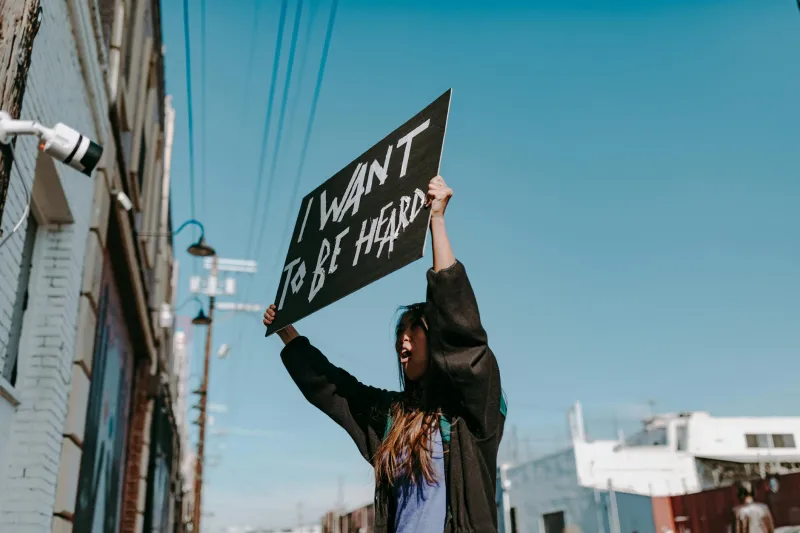
When Protest Becomes Product
The fashion industry's ability to commodify its own criticism has reached new heights with the launch of "Conscious Rebellion Collections" by major fast fashion retailers. What began as authentic anti-consumption protests has been transformed into carefully curated product drops, complete with premium price points and ironic sustainability certifications.
Shein, H&M, and Forever 21 have simultaneously debuted collections that directly monetize the aesthetic of fashion resistance, proving once again that capitalism's greatest superpower is its ability to sell you the tools of your own rebellion—at a markup.
The Anti-Consumption Consumption Guide
1. The "Enough" Distressed Tee ($415 at Zara)
Nothing says "I reject overconsumption" like a $400 t-shirt with "ENOUGH" screen-printed in deliberately fading ink. Made from "ethically sourced cotton" (definition pending), each shirt comes with a Certificate of Conscious Consumption and a QR code linking to a 30-second video of a field somewhere that may or may not be related to cotton production.
"The distressing process alone takes 47 separate chemical treatments to achieve that authentic 'I've worn this while protesting' look," explains Zara's Creative Director of Ironic Fashion, Alessandro Marchetti. "We're essentially selling the patina of activism."
2. Anti-Materialism Tote Bags ($340 at Urban Outfitters)
These canvas bags feature hand-lettered slogans like "Possessions Possess You" and "Buy Nothing" in artisanal typography that took a team of designers six months to perfect. Each bag is individually weathered to suggest years of farmers market visits and protest attendance.
The bags come with a "Carbon Negativity Certificate" claiming that purchasing one actually removes CO2 from the atmosphere through an elaborate offset calculation involving three different NGOs and a reforestation project in Brazil that may or may not exist.
3. Minimalism Maximalist Capsule Wardrobe ($2,847 for 3 pieces at COS)
This "curated resistance uniform" includes a deconstructed blazer, asymmetrical trousers, and a "statement absence" top (essentially a very expensive tank top with strategic holes). The collection embodies the principle that true minimalism requires extremely expensive basics.
"We're selling the luxury of having less," notes COS brand strategist Helena Nordström. "Each piece is designed to replace ten pieces in your wardrobe, which is why they cost as much as ten pieces."
4. Upcycled Vintage-Style Fast Fashion ($289 per piece at ASOS)
ASOS has launched a line of "pre-distressed vintage-inspired pieces" made to look like thrifted finds but produced in the same factories as their regular inventory. Each piece comes with a fake backstory about its imaginary previous owner and includes artificially aged labels from fictional vintage stores.
The collection features "Grandmother's Protest Cardigan" ($312) and "Inherited Activism Denim" ($267), complete with sewn-in patches reading "Make Love Not Stuff" and "Fashion Revolution."
5. Slow Fashion Speed Run Collection ($199-$450 at Reformation)
Reformation's latest drop promises "the aesthetic of slow fashion at the speed of fast fashion." The collection includes pieces designed to look handmade, complete with intentional "imperfections" that are actually precision-engineered to appear authentic.
"We're democratizing the look of ethical fashion," explains Reformation's VP of Sustainable Aesthetics, Morgan Clarke. "Why wait months for a truly sustainable piece when you can get the vibe immediately?"
6. Climate Anxiety Athleisure ($380-$520 at Outdoor Voices)
This collection channels existential dread about environmental collapse into workout wear. Pieces include hoodies with melting ice cap graphics and leggings printed with endangered species silhouettes. Each purchase includes a "Worry Offset Certificate" promising that your anxiety about climate change has been transformed into positive action (details TBD).
7. Anti-Influencer Influence Wear ($245-$675 at Glossier)
Designed for people who want to look like they don't care about looking good, this collection includes "effortless" pieces that require significant effort to appear effortless. The "No-Makeup Makeup" aesthetic extends to clothing with "Unfiltered" denim and "Authentic" basics that cost three times their non-authentic counterparts.
8. Degrowth Growth Collection ($156-$890 at Everlane)
Everlane's answer to anti-consumption culture is a collection of pieces designed to embody "radical transparency" about their own superfluousness. Each item comes with a detailed breakdown of why you don't actually need it, making the purchase feel like an act of sophisticated self-awareness rather than mindless consumption.
9. Post-Consumer Pre-Waste Essentials ($299-$567 at Patagonia)
These pieces are designed to look like they've already been through multiple cycles of conscious consumption. Pre-faded "Save the Planet" patches and strategically placed "repair" details give new items the gravitas of well-loved activist gear.
10. Irony-Certified Sincerity Wear ($445-$1,200 at Acne Studios)
The ultimate meta-fashion statement: clothes that acknowledge their own absurdity while maintaining premium price points. Each piece comes with an "Irony Certificate" that explicitly states the contradictions inherent in purchasing anti-consumption fashion, making the buyer complicit in a way that somehow feels more honest.
The Certification Industrial Complex
Perhaps most ingeniously, brands have created an entire ecosystem of meaningless but official-looking certifications to accompany these collections. The "Conscious Contradiction Certificate" acknowledges the paradox while absolving the consumer of guilt. "Irony Offsets" promise that the contradictions inherent in your purchase have been balanced out through unspecified means.
"We're not just selling clothes," explains Dr. Amanda Sterling, Director of Ethical Aesthetics at the Fashion Sustainability Institute (a real organization that definitely exists). "We're selling a framework for feeling good about feeling bad about consumption. It's revolutionary."
The Economics of Authentic Inauthenticity
The collections have been remarkably successful, with several pieces selling out within hours of launch. "There's something deeply satisfying about purchasing your way out of consumption culture," notes satisfied customer Riley Chen, 22, who spent $847 on her "anti-materialism starter pack."
"I know it's ironic," she continues, "but at least I'm being ironic intentionally now. That feels more honest than accidentally being ironic, which is what I was doing before."
As fashion continues its relentless march toward complete self-parody, one thing becomes clear: the industry's greatest talent isn't designing clothes—it's designing ways to make us feel good about buying them, even when we know we shouldn't.
Especially when we know we shouldn't.