The Ultimate Field Guide to People Who Spend $1,400 on Outfits While Insisting They 'Don't Do Fashion'
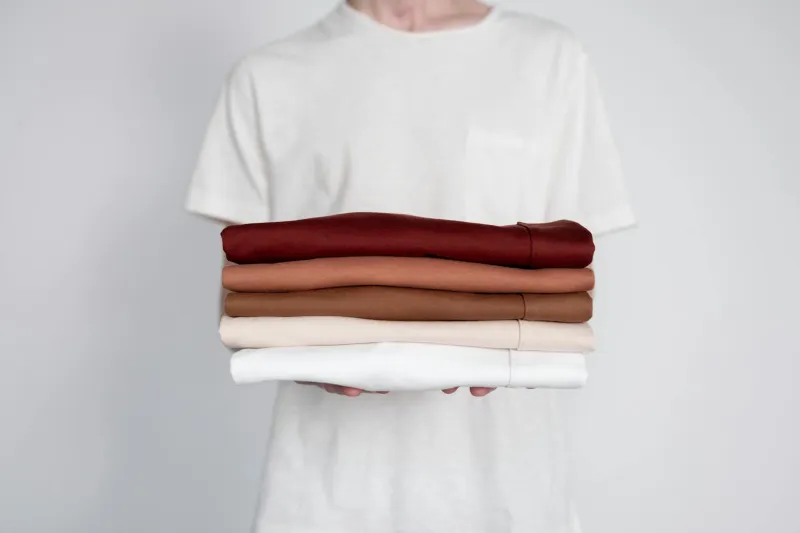
Introduction: The Anti-Fashion Fashion Phenomenon
In the wild kingdom of contemporary style, no creature is more fascinating than the person who spends four figures on an outfit while insisting they "just threw something on." These rare specimens have mastered the art of performing indifference while participating in fashion's most competitive arena: looking like you're not trying.
After extensive field research (and some light Instagram stalking), we've identified nine distinct subspecies of the "Not Really a Fashion Person" genus. Each has evolved unique survival mechanisms for navigating the treacherous waters of looking effortlessly expensive while claiming total disinterest in material possessions.
Type 1: The Uniform Devotee
Signature phrase: "I just wear the same thing every day to avoid decision fatigue."
Habitat: Tech conferences, minimalist coffee shops, TED Talks about productivity
Outfit breakdown:
- "Basic" white t-shirt (James Perse): $85
- "Simple" jeans (A.P.C.): $240
- "Just sneakers" (Common Projects): $400
- "Practical" watch (Rolex Submariner): $8,000
- Total: $8,725 of calculated simplicity
The Uniform Devotee has weaponized the capsule wardrobe concept, turning "I don't think about clothes" into a full-time performance art piece. They own seven identical $85 t-shirts and will lecture anyone within earshot about the "freedom" of not making choices while wearing a watch that costs more than most people's cars.
These specimens often cite Steve Jobs as inspiration, conveniently forgetting that his "uniform" was custom-designed by Issey Miyake.
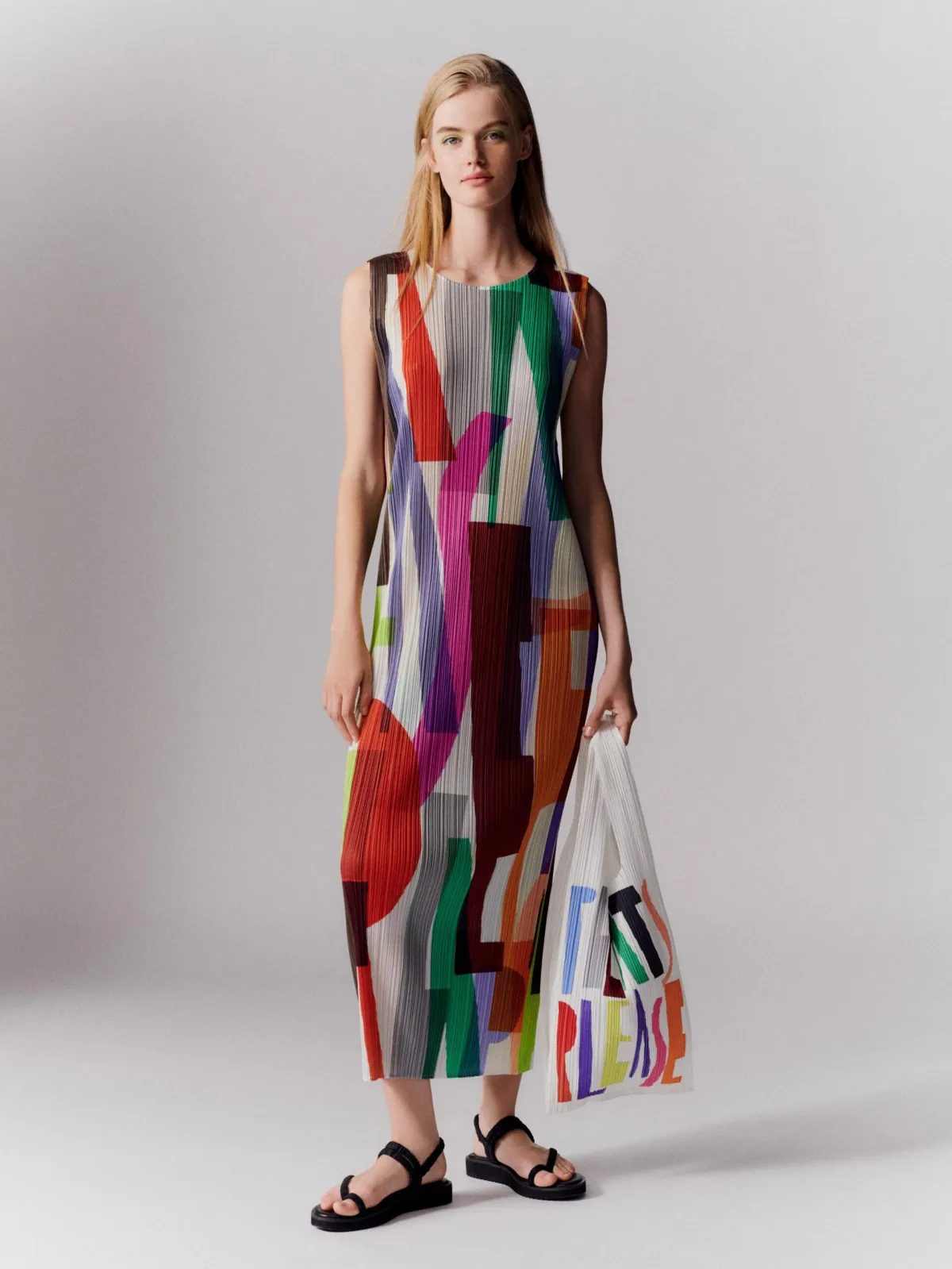 Photo: Issey Miyake, via musemagazine.it
 Photo: Steve Jobs, via www.leadershipstorybank.com
Type 2: The Vintage Purist
Signature phrase: "Oh this? It's just something I found at a little shop in Paris."
Habitat: Art gallery openings, independent bookstores, farmers markets in gentrified neighborhoods
Outfit breakdown:
- "Thrifted" Hermès scarf (estate sale find): $300
- Vintage Levi's (professionally distressed): $200
- "Random" cashmere sweater (1970s Brunello Cucinelli): $450
- "Found" vintage Chanel bag: $2,800
- Total: $3,750 of curated spontaneity
The Vintage Purist has transformed thrifting into a luxury hobby, spending more on "found" pieces than most people spend on new clothes. They possess an encyclopedic knowledge of fashion history while insisting they "just like old things."
Their apartment contains more vintage Vogue issues than the Condé Nast archives, but they definitely "don't follow fashion."
Type 3: The Comfort Maximalist
Signature phrase: "I just want to be comfortable. Life's too short for uncomfortable clothes."
Habitat: Yoga studios, organic grocery stores, expensive wellness retreats
Outfit breakdown:
- "Comfy" cashmere hoodie (Brunello Cucinelli): $1,200
- "Just leggings" (Lululemon Align, multiple pairs): $400
- "Simple" sneakers (Golden Goose): $500
- Meditation beads (blessed by actual monks): $150
- Total: $2,250 of enlightened materialism
The Comfort Maximalist has convinced themselves that spending $1,200 on a hoodie is a spiritual practice. They've elevated athleisure to an art form while maintaining that they "don't care about brands" — they just happen to find that only certain $200 leggings align with their chakras.
Type 4: The Accidental Collector
Signature phrase: "I'm not really into fashion, but I do appreciate quality craftsmanship."
Habitat: Museum gift shops, artisan markets, "small batch" anything
Outfit breakdown:
- "Handmade" ceramic jewelry (emerging artist): $300
- "Ethically sourced" wool sweater: $400
- "Sustainable" silk scarf: $250
- "Investment" leather bag ("will last forever"): $800
- Total: $1,750 of conscious consumption
The Accidental Collector has rebranded shopping as supporting artists and sustainable practices. Their closet reads like a who's who of emerging designers, but they definitely "don't follow trends" — they just happen to discover every "next big thing" six months before Vogue does.
Type 5: The Effortless Heiress
Signature phrase: "This old thing? I've had it forever."
Habitat: Private clubs, charity galas, "small" family gatherings with 200 guests
Outfit breakdown:
- "Old" cashmere sweater (inherited Loro Piana): $800
- "Simple" pearls (grandmother's Mikimoto): $3,000
- "Comfortable" flats (Chanel, "from years ago"): $700
- "Practical" handbag (Birkin, gift from parents): $15,000
- Total: $19,500 of generational wealth disguised as nonchalance
The Effortless Heiress has mastered the art of making inherited luxury look like personal restraint. Every piece in their wardrobe has a story involving European relatives or "family friends" who happen to own fashion houses.
Type 6: The Wellness Warrior
Signature phrase: "I only buy things that bring me joy and align with my values."
Habitat: Sound baths, crystal shops, $40 juice bars
Outfit breakdown:
- Organic cotton dress (Eileen Fisher): $300
- Healing crystal necklace: $200
- Sustainable shoes (Veja): $150
- Ethically sourced leather bag: $600
- Total: $1,250 of spiritually justified consumption
The Wellness Warrior has convinced themselves that expensive clothes are a form of self-care. They've transformed shopping into a mindfulness practice, complete with meditation on whether each purchase "sparks joy" (spoiler: it always does).
Type 7: The Practical Professional
Signature phrase: "I just need clothes that work for my lifestyle."
Habitat: Corporate offices, business lunches, airport lounges
Outfit breakdown:
- "Basic" blazer (Theory): $400
- "Simple" blouse (Equipment): $200
- "Practical" trousers (Vince): $250
- "Comfortable" heels (Stuart Weitzman): $400
- Total: $1,250 of professional necessity
The Practical Professional has elevated workwear to an art form while maintaining that they "just need to look presentable." They own seventeen "basic" blazers in slightly different shades of navy and will explain the ROI of each one.
Type 8: The Anti-Trend Trendsetter
Signature phrase: "I don't follow trends. I just buy what I like."
Habitat: Independent boutiques, "undiscovered" designers' showrooms
Outfit breakdown:
- "Unique" designer piece (emerging talent): $500
- "Different" vintage find: $300
- "Interesting" handmade shoes: $400
- "Special" artisan bag: $600
- Total: $1,800 of curated individuality
The Anti-Trend Trendsetter has made being "different" their personal brand. They exclusively shop emerging designers while insisting they "don't pay attention to fashion," despite having the contact information for every indie designer from Brooklyn to Tokyo.
Type 9: The Minimalist Maximalist
Signature phrase: "Quality over quantity. I'd rather have fewer, better things."
Habitat: Scandinavian furniture stores, meditation retreats, Marie Kondo workshops
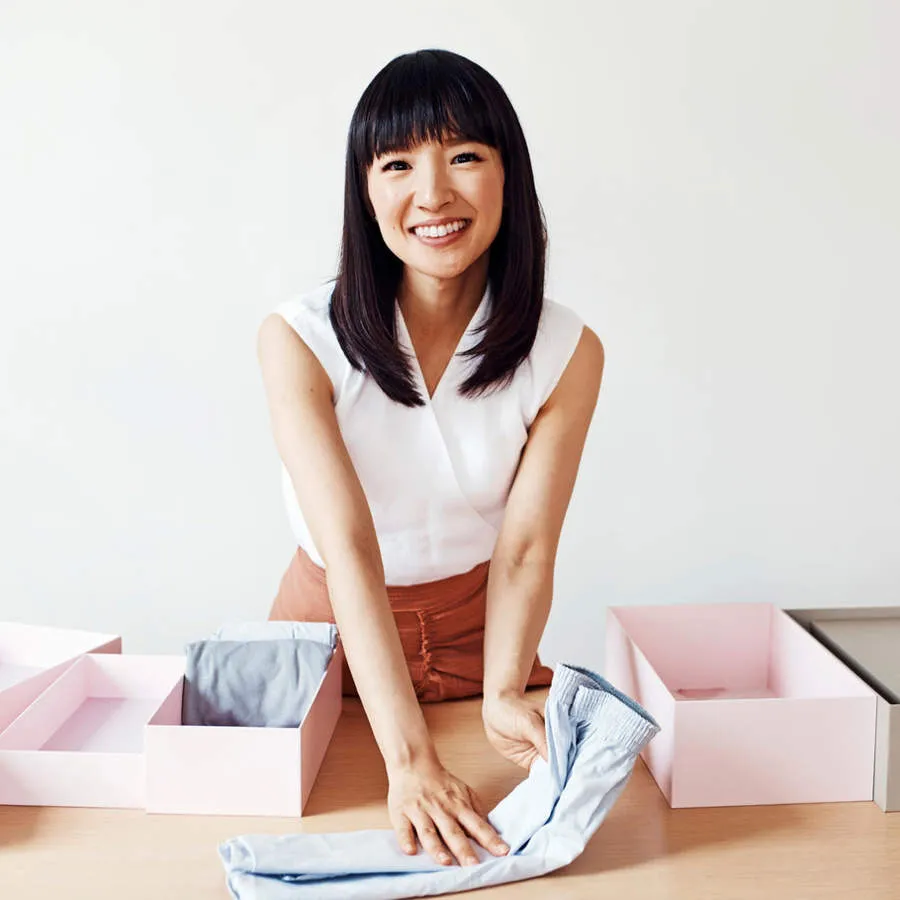 Photo: Marie Kondo, via content.elmueble.com
Outfit breakdown:
- "Investment" coat (Max Mara): $1,200
- "Timeless" sweater (Totême): $300
- "Perfect" jeans (Agolde): $200
- "Essential" bag (The Row): $2,000
- Total: $3,700 of calculated minimalism
The Minimalist Maximalist owns exactly twelve pieces of clothing, each costing more than most people's monthly rent. They've turned "less is more" into a luxury lifestyle, proving that even restraint can be expensive when executed with enough precision.
Conclusion: The Price of Performing Indifference
What unites all these specimens is their shared commitment to the most expensive performance in modern fashion: looking like you don't care. In a world where caring too much about clothes is seen as shallow, these evolved beings have discovered that the ultimate luxury is appearing to be above it all.
The irony, of course, is that performing indifference to fashion requires more fashion knowledge, more money, and more time than simply admitting you care about clothes. But in the complex ecosystem of contemporary style, sometimes the most fashionable thing you can do is pretend fashion doesn't matter to you.
After all, nothing says "I don't care about material possessions" quite like a $15,000 handbag you inherited from your grandmother.