Field Guide to Fashion's Master Deflectors: Mapping the Nine Species of 'Oh This Old Thing?' Performers
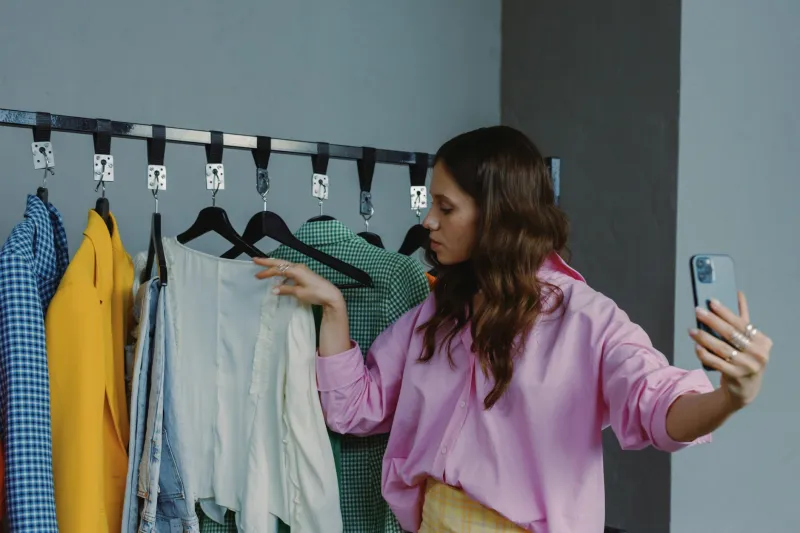
The Taxonomy of Tactical Humility
In the wild ecosystem of modern fashion consumption, few phenomena are as fascinating—or as predictable—as the "Oh This Old Thing?" performer. These remarkable creatures have mastered the art of weaponizing false modesty, transforming $780 morning purchases into casual afternoon shrugs with the precision of trained actors.
After extensive field research (and several uncomfortable encounters at coffee shops), we've identified nine distinct subspecies of this fascinating breed. Each demonstrates unique behavioral patterns, defensive mechanisms, and an impressive ability to gaslight observers about the true cost of their "effortless" aesthetic.
Type 1: The Accidental Influencer
Natural Habitat: Whole Foods, yoga studios, anywhere with good natural lighting
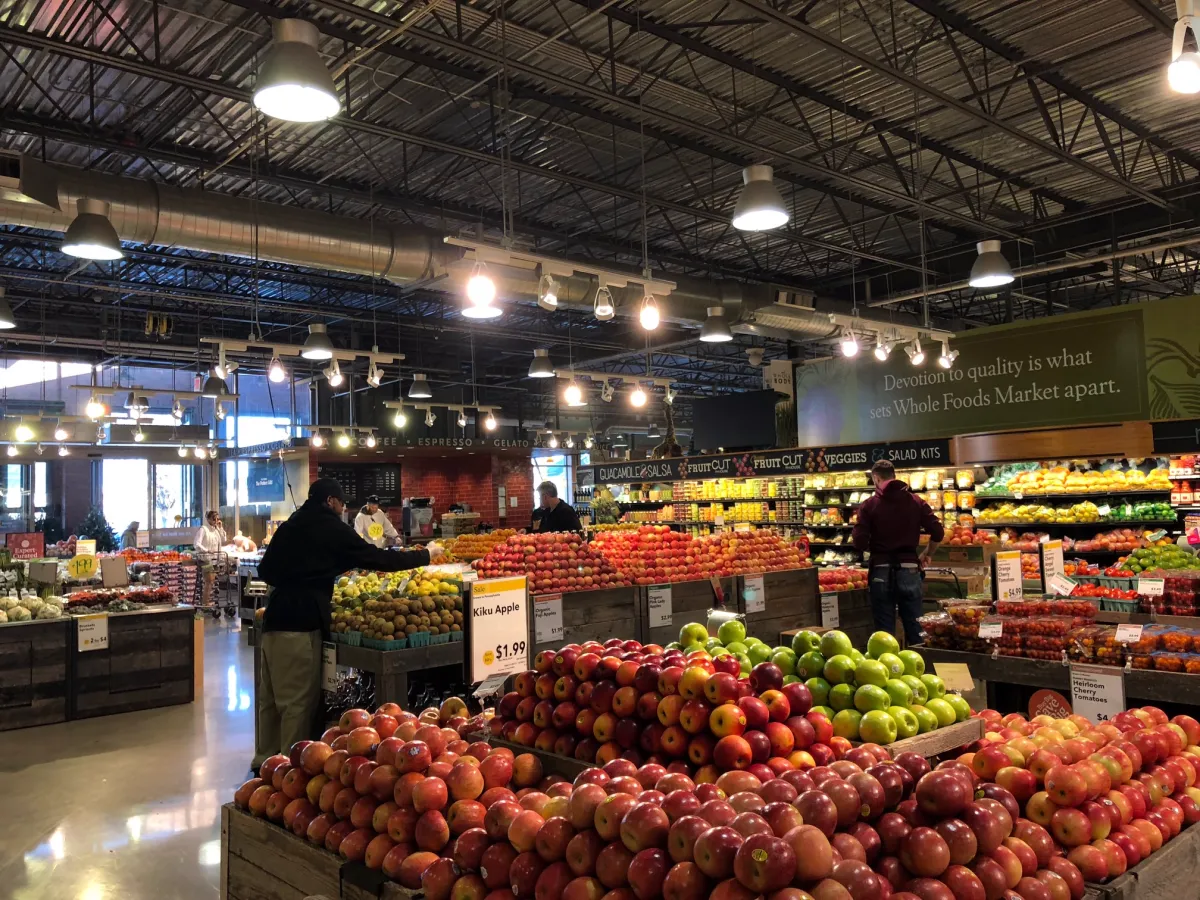 Photo: Whole Foods, via static5.businessinsider.com
Signature Deflection: "OMG I literally just grabbed whatever was clean!"
Actual Investment: $1,200 minimum, not including the Ring Light they definitely don't use
Identifying Features: Everything appears perfectly disheveled in a way that takes considerable effort to achieve. Their "messy" bun required three YouTube tutorials and professional-grade texturizing spray. They'll claim the outfit was "thrown together" while secretly hoping someone asks where they got each piece so they can rattle off their affiliate links.
Mating Call: "Wait, you think this looks good? I feel so gross today!"
Conservation Status: Thriving, particularly in neighborhoods with median home values above $800K
Type 2: The Reformed Maximalist
Natural Habitat: Minimalist coffee shops, Marie Kondo meetups, anywhere they can lecture about "conscious consumption"
Signature Deflection: "I'm so over fast fashion. This is probably five years old."
Actual Investment: $950, purchased yesterday after a three-hour "mindful shopping" session
Identifying Features: Owns exactly seven items, each costing more than a car payment. Will extensively explain their "capsule wardrobe philosophy" while wearing a $400 white t-shirt. Has somehow convinced themselves that buying fewer, exponentially more expensive items makes them morally superior to people who shop at Target.
Mating Call: "I believe in investment pieces that tell a story."
Conservation Status: Increasingly common in urban areas with high concentrations of wellness influencers
Type 3: The Thrift Store Mythologist
Natural Habitat: Vintage markets, estate sales they definitely didn't attend, Instagram stories with suspiciously perfect lighting
Signature Deflection: "Can you believe I found this at Goodwill for $3?"
Actual Investment: $650, plus $200 for "professional vintage authentication"
Identifying Features: Exclusively wears "thrifted" pieces that somehow all have perfect fit, pristine condition, and current season relevance. Maintains elaborate backstories about discovering designer pieces in random charity shops, despite living in a city where Goodwill charges $30 for used Forever 21.
Mating Call: "I have such good thrift karma. Things just find me!"
Conservation Status: Stable, though increasingly challenged by actual thrift store prices
Type 4: The Inherited Heiress
Natural Habitat: Gallery openings, charity luncheons, anywhere they can casually mention their grandmother
Signature Deflection: "This was my grandmother's. She had such incredible taste."
Actual Investment: $1,100, purchased after googling "vintage Chanel" for authenticity details
Identifying Features: Every expensive item in their wardrobe comes with an elaborate family provenance story. Their "grandmother's" collection apparently included pieces from every major fashion house, all in perfect condition and coincidentally their exact size. Often supplemented with actual inherited jewelry to add credibility to the narrative.
Mating Call: "I'm so lucky to come from a family of stylish women."
Conservation Status: Endangered by DNA testing and family photo evidence
Type 5: The Professional Gaslighter
Natural Habitat: Wherever they need to be perceived as relatable while looking absolutely perfect
Signature Deflection: "What, this? I've had it forever. I think it was like $20?"
Actual Investment: $890, purchased after a two-week internal debate and three abandoned shopping carts
Identifying Features: Masters of the confident lie, they've convinced themselves that if enough time passes between purchase and compliment (minimum: 3 days), the item qualifies as "old." Will maintain eye contact while claiming their obviously new designer shoes were "super cheap" with the conviction of someone testifying before Congress.
Mating Call: "I'm honestly not even sure where I got it!"
Conservation Status: Flourishing, particularly in competitive social environments
Type 6: The Accidental Anthropologist
Natural Habitat: Museums, cultural events, anywhere they can demonstrate their sophisticated global perspective
Signature Deflection: "I picked this up when I was traveling in [exotic location]. It's actually traditional [cultural garment] but I just wear it casually."
Actual Investment: $750, plus shipping from a luxury retailer that specializes in "ethically-sourced" interpretations of traditional clothing
Identifying Features: Every piece comes with an educational lecture about its cultural significance and their deep personal connection to the artisans who "made" it (via industrial production facility). Somehow always traveled to places that produce clothing remarkably similar to current Western fashion trends.
Mating Call: "Travel really changes your perspective on fashion."
Conservation Status: Stable but increasingly scrutinized for cultural appropriation
Type 7: The Subscription Syndrome Sufferer
Natural Habitat: Coworking spaces, networking events, anywhere they can appear effortlessly put-together for professional purposes
Signature Deflection: "Oh, this was just in my subscription box. I almost didn't even keep it!"
Actual Investment: $400 for the item, $200/month for the "curated" service that selected it
Identifying Features: Everything in their wardrobe appears to be the result of happy accidents and algorithm serendipity rather than deliberate choices. Will credit their "stylist" (a quiz they took online) for their impeccable taste while maintaining they're "not really a fashion person."
Mating Call: "I'm so bad at shopping for myself. Thank god for subscription services!"
Conservation Status: Rapidly expanding with the growth of personalized commerce
Type 8: The Sample Sale Strategist
Natural Habitat: Industry events, fashion week parties, anywhere they can name-drop their "connections"
Signature Deflection: "I got it at a sample sale through my friend who works in fashion. It was practically free!"
Actual Investment: $680, retail price, purchased online like everyone else
Identifying Features: Maintains an elaborate network of fictional fashion industry friends who provide access to exclusive sales that definitely exist and definitely aren't just regular retail with extra steps. Often supplemented with vague references to PR relationships and industry discounts that somehow never extend to anyone else.
Mating Call: "You have to know people in this industry."
Conservation Status: Thriving in cities with actual fashion industries, struggling elsewhere
Type 9: The Philosophical Fashionista
Natural Habitat: Art galleries, philosophy book clubs, anywhere they can turn clothing into intellectual discourse
Signature Deflection: "I'm not really interested in fashion as consumption, more as a form of personal expression and social commentary."
Actual Investment: $1,200, justified as "art" or "investment in self-actualization"
Identifying Features: Has transformed shopping into an intellectual pursuit, complete with theoretical frameworks and academic justifications. Can turn any compliment into a dissertation on the semiotics of dress and the politics of personal presentation. Somehow always expresses themselves through pieces that cost more than most people's monthly salaries.
Mating Call: "Fashion is really just wearable philosophy when you think about it."
Conservation Status: Rare but vocal, particularly in academic and artistic communities
Conservation Efforts and Future Research
As fast fashion becomes increasingly expensive and luxury fashion reaches new heights of absurdity, these subspecies continue to evolve new defensive mechanisms. Recent observations suggest emerging hybrid types, including the "Conscious Consumer Contradictionist" and the "Authenticity Authenticator."
While their natural habitats remain stable, climate change (economic) and shifting social media algorithms pose potential threats to their traditional deflection strategies. Researchers recommend continued observation, particularly during seasonal migration patterns to outlet malls and end-of-season sales.