Fashion Brands Are Now Charging a $129 'Witness Fee' to Watch Other People Unbox Clothes You Can't Afford
The Dawn of Voyeuristic Couture
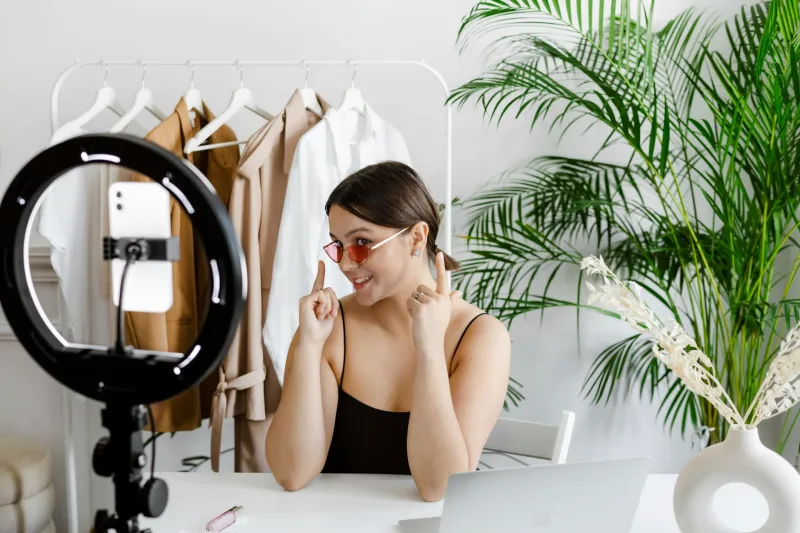
In what industry insiders are calling "the natural evolution of parasocial commerce," luxury fashion brands have officially launched their most audacious revenue stream to date: charging customers to watch other people unbox clothes they'll never own. The "Witness Economy," as it's been branded by marketing teams who clearly peaked in their Philosophy 101 classes, allows fashion enthusiasts to pay escalating fees for the privilege of observing influencers open packages in real time.
The basic "Spectator" tier starts at a modest $129 per unboxing session, offering viewers the chance to watch through a standard livestream while a certified Brand Ambassador™ reveals items from the latest collection. For an additional $89, customers can upgrade to "Emotional Co-Ownership," which includes synchronized breathing exercises designed to help viewers "spiritually merge" with the unboxing experience.
The Premium Tiers of Vicarious Living
But why stop at basic voyeurism when you can monetize every possible human emotion? The "Empathic Witness" package, priced at $347, promises viewers the ability to "feel the fabric through the screen" via what the company describes as "revolutionary haptic emotional technology" (which appears to be a vibrating phone case). The top-tier "Metaphysical Participant" experience costs a staggering $899 and includes a personalized meditation guide to help customers "become one with the unboxing energy."
"We realized that our customers weren't just buying clothes—they were buying the fantasy of being someone who could buy clothes," explains Seraphina Goldworth-Van Der Berg, Chief Experience Officer at luxury conglomerate Ethereal Holdings. "Why limit that fantasy to actual ownership when we can sell the pure, distilled essence of wanting something?"
The Science of Substitute Shopping
According to Dr. Miranda Cashwell, a behavioral economist who definitely exists and isn't just a composite of every LinkedIn thought leader, the Witness Economy taps into humanity's deepest psychological needs. "We've successfully separated the act of consumption from the messy reality of actually having things," she explains from her office that overlooks both Central Park and the existential void of late-stage capitalism.
"Traditional retail required customers to make difficult decisions about what they could afford. The Witness Economy eliminates that friction entirely by allowing people to experience ownership without the burden of possession."
The data supports this revolutionary approach to retail therapy. Early adopters report feeling "deeply fulfilled" by their unboxing viewing experiences, with 73% claiming they felt "more connected to luxury fashion" than ever before. The remaining 27% were reportedly too busy refinancing their homes to participate in the survey.
The Influencer Industrial Complex Evolves
For content creators, the Witness Economy represents a goldmine of opportunity. Top-tier "Unboxing Artists" can now command fees upward of $50,000 per session, with some developing signature opening techniques that have become as coveted as the products themselves.
"I've spent months perfecting my 'Anticipatory Pause Method,'" reveals Madison Luxe-Thompson, whose unboxing streams regularly sell out within minutes. "It's not just about opening a box—it's about creating a transcendent moment that viewers can carry with them forever, or at least until their credit card statement arrives."
The most successful unboxing influencers have developed elaborate rituals around their sessions, including meditation periods, outfit changes, and what one industry publication described as "interpretive dance sequences that honor the craftsmanship of Italian leather goods."
The Critics Weigh In
Not everyone is embracing fashion's latest evolution. Traditional fashion critics have expressed concern about what they see as the "complete commodification of human experience."
"We've reached peak absurdity when people are paying hundreds of dollars to watch someone else touch a handbag," argues fashion journalist Rebecca Sterling-Price. "At what point do we admit that we've created a system where the simulation of luxury has become more valuable than luxury itself?"
But industry defenders push back against such criticism. "This isn't about replacing traditional retail," insists brand strategist Maximilian Trend-Forecast III. "This is about expanding the very definition of what it means to participate in fashion culture. Why should ownership be the only way to engage with beautiful objects?"
The Future of Not Having Things
As the Witness Economy continues to evolve, brands are already developing even more innovative ways to monetize the gap between desire and acquisition. Upcoming offerings include "Memory Implantation Services" (where customers pay to have false recollections of wearing luxury items), "Genetic Style Consultation" (DNA analysis to determine which unaffordable clothes would theoretically suit you best), and "Posthumous Wardrobe Planning" (curating dream closets for the afterlife).
Perhaps most tellingly, several major fashion houses have quietly discontinued their actual clothing lines entirely, focusing instead on what they call "Pure Aspiration Products." After all, why manufacture physical goods when you can sell the infinitely more profitable experience of wanting them?
As one industry insider put it, "We've finally achieved fashion's ultimate goal: convincing people that not having something is actually a luxury experience in itself."
The revolution will not be worn—it will be witnessed, for a fee.