Breaking: Designer Legacy Packages Let You Officially Will Your 'Aesthetic DNA' to Unsuspecting Relatives for $399
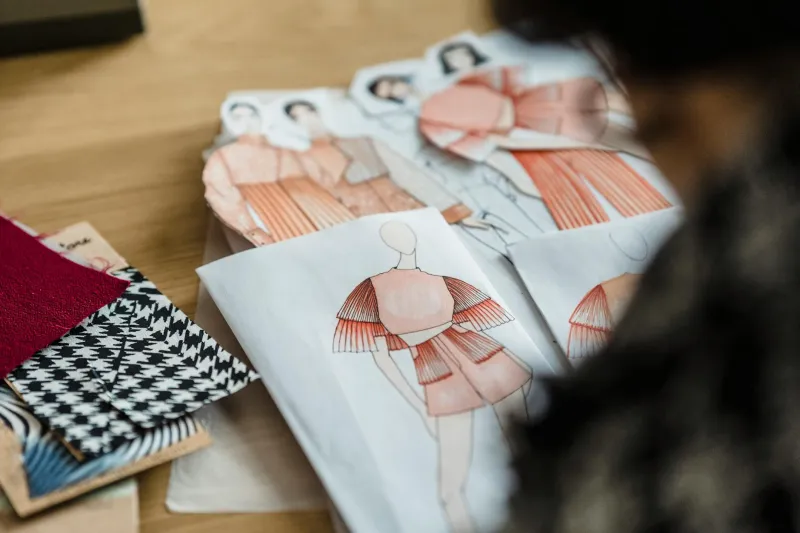
The Death of Personal Style Privacy
In what industry insiders are calling "the natural evolution of brand loyalty," luxury fashion houses have partnered with estate planning attorneys to offer Aesthetic Inheritance Packages—comprehensive legal frameworks that ensure your carefully curated personal brand outlives you by several uncomfortable decades.
For $399, customers can now draft legally binding documents that transfer their "visual identity estate" to designated heirs, complete with mood boards, color palettes, and a 47-page manifesto explaining why their signature look was actually "effortless."
How Aesthetic Inheritance Actually Works
The process begins with what Chanel calls a "Style DNA Extraction Session," where certified Brand Heritage Consultants photograph your closet, analyze your Instagram grid dating back to 2012, and conduct a three-hour interview about your "sartorial philosophy." This data is then compiled into what the industry terms a "Vibe Will"—a comprehensive document that legally obligates your heirs to maintain your aesthetic legacy.
"We're not just talking about passing down clothes," explains Margot Chen-Williams, Senior Director of Posthumous Brand Strategy at Hermès. "We're talking about ensuring your children understand that your minimalist phase wasn't actually minimalist—it was 'curated restraint with maximalist undertones.' These distinctions matter."
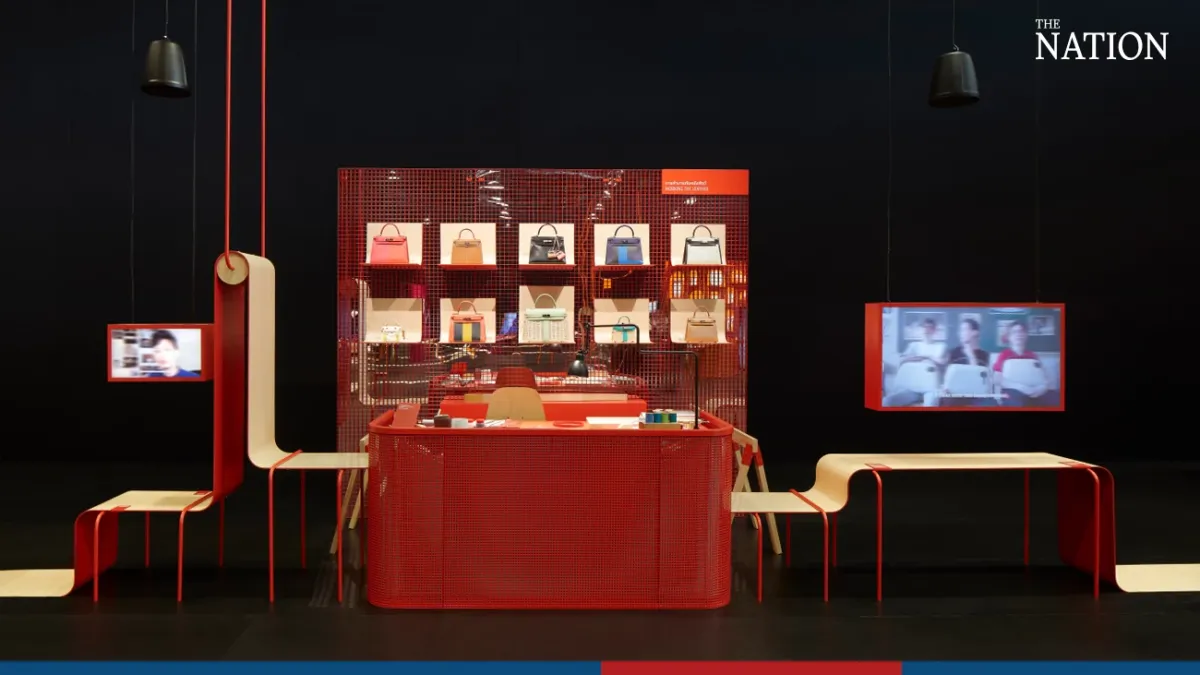 Photo: Hermès, via media.nationthailand.com
The packages include provisions for social media management, requiring heirs to post annual "tribute looks" and maintain your Pinterest boards "in the spirit of the original curator." Failure to comply results in what legal documents refer to as "aesthetic breach of trust," punishable by forfeiture of any inherited designer handbags.
The Testimonials Are Devastating
Early adopters are already seeing results, though not necessarily positive ones. Madison Fletcher, 28, recently inherited her mother's "Coastal Grandmother Who Summers in Tuscany" aesthetic and describes the experience as "emotionally devastating."
"I'm legally obligated to wear linen in November," Fletcher explains, gesturing to her court-mandated outfit of wrinkled beige separates. "The inheritance documents specify that I must embody 'effortless European sophistication' until I'm 45, at which point I can transition to 'seasoned intellectual with artistic sensibilities.' I wanted to be goth."
The most complex cases involve what attorneys call "Aesthetic Identity Conflicts." Jeremy Walsh inherited contradictory style directives from both parents—his father's "Tech Executive Who Definitely Doesn't Try Too Hard" and his mother's "Former Ballerina Turned Sustainable Fashion Advocate." Walsh now spends his mornings in court-mandated athleisure and his afternoons in ethically sourced tutus.
"I look like I'm having multiple personality disorders," Walsh admits. "But the legal fees for breaking aesthetic inheritance are more expensive than just buying a new wardrobe every six hours."
The Industry's Defense
Fashion houses defend the practice as "democratizing legacy building." Previously, only celebrities and fashion icons could ensure their style lived on through museum exhibitions and coffee table books. Now, anyone with $399 and a sufficiently documented aesthetic journey can achieve immortality through forced family participation.
"We're solving a real problem," insists Valentino's Director of Intergenerational Brand Continuity, Alessandro Hartwell-Singh. "Too many people spend decades perfecting their personal style only to have their children show up to their funeral in cargo shorts. This is about respect."
The packages also include "Aesthetic Enforcement Officers"—certified stylists who conduct quarterly check-ins with heirs to ensure compliance. Violations are documented in what the industry calls "Style Crime Reports," which can be used as evidence in inheritance disputes.
The Hidden Costs
While the initial $399 fee seems reasonable, the true cost emerges in what legal documents call "Lifestyle Maintenance Requirements." Heirs must budget for annual shopping trips to maintain their inherited aesthetic, often requiring them to shop at stores they can't afford to maintain a style they never chose.
"My mother left me her 'Understated Luxury' vibe," explains inherited-aesthetic victim Claire Morrison. "Do you know how expensive understated luxury is? I'm spending $200 on plain white t-shirts because the inheritance documents specify they must be 'quietly superior.' I can't even afford groceries, but my t-shirts whisper wealth."
The most expensive inherited aesthetic on record belongs to the "Effortlessly Expensive" category, which requires heirs to maintain a wardrobe that appears casual but costs more than most people's cars. One inheritor, who requested anonymity, reports spending $3,400 on jeans that are legally required to look like they came from Target.
The Generational Trauma Angle
Child psychologists are raising concerns about what Dr. Sarah Kim calls "Aesthetic Trauma Transfer." Her research suggests that inheriting someone else's style identity can cause lasting psychological damage, particularly when the aesthetic conflicts with the heir's natural personality.
"We're seeing cases of young adults developing anxiety disorders because they're legally required to embody 'Parisian Intellectual Chic' when their natural inclination is 'Midwestern Comfort Enthusiast,'" Dr. Kim explains. "The cognitive dissonance of being forced to find skinny scarves 'effortless' is creating a mental health crisis."
Support groups for aesthetic inheritance victims are forming across the country, with members sharing stories of being trapped in style identities that feel like elaborate costumes they can never remove.
The Legal Loopholes
Some clever heirs have found ways around their aesthetic obligations through what attorneys call "Interpretive Styling." By arguing that their inherited "Classic with a Twist" directive allows for creative interpretation, they've managed to twist their way into entirely different aesthetics while technically remaining compliant.
"I inherited 'Bohemian Sophisticate' from my aunt," explains loophole enthusiast Taylor Chen. "But I convinced the Aesthetic Enforcement Officer that my goth phase is actually 'Bohemian Sophisticate Interpreted Through a Dark Academia Lens.' I'm still legally compliant, but I get to wear black lipstick."
The most successful loophole involved a heir who inherited "Minimalist with Statement Pieces" and argued that their collection of 47 identical black turtlenecks constituted both minimalism and a statement about the absurdity of fashion itself.
Industry Expansion Plans
Fashion houses are already developing Advanced Aesthetic Inheritance packages, including options for "Aesthetic Evolution Clauses" that allow inherited styles to mature naturally over time, and "Emergency Style Pivots" for heirs who experience major life changes that conflict with their inherited aesthetic.
The ultimate goal, according to industry insiders, is "Multigenerational Brand Loyalty." By legally binding families to specific aesthetics, fashion houses can ensure customer retention for decades, creating what marketing documents call "Hereditary Consumer Relationships."
As one Balenciaga executive put it: "We're not just selling clothes anymore. We're selling family traditions. Expensive, legally binding family traditions that your great-grandchildren will still be paying for."